


Steak Doneness Guide: Temperatures, Texture and the Right Cut
Updated: Jul 12
Steak doneness changes temperature, color, texture, and juiciness. Choosing well is not about memorizing one rigid chart: cut, thickness, marbling, bone, cooking method, and resting time all affect the result. Doneness names can also vary between countries and restaurants.
What steak doneness means
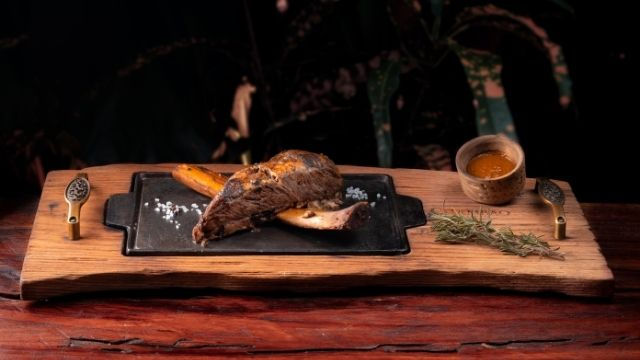
Doneness describes how far heat has traveled into the center of a steak. The surface may carry a deeply browned crust while the center remains at a different temperature. Color alone is not a reliable measure of safety or precision; a thermometer is more useful when cooking at home.
Blue or extra rare
The center remains deep red and only lightly warmed. The texture is very soft, and intramuscular fat may not fully render. This level does not suit every cut, particularly thick or heavily marbled steaks.
Rare
Rare steak has a warm red center and a browned exterior. It retains substantial moisture and tenderness. Marbled cuts still need enough exterior heat to develop aroma and begin rendering fat.
Medium rare
The center moves from red toward pink, with more warmth and a balance between juiciness and structure. It is a common preference for ribeye, strip, and tenderloin, although thickness and the chef's recommendation matter.
Medium
A medium steak has a pink center and a firmer texture. Some moisture decreases while more fat has time to render. It works for diners who prefer less red without a fully cooked center.
Medium well
Only a small amount of pink remains, and the bite becomes noticeably firmer. Lean cuts can lose moisture quickly at this stage; more marbled steaks may retain richness when cooking is carefully controlled.
Well done
The center no longer appears pink and the texture is firm. Well done should not mean burned: controlled heat, suitable thickness, and resting can preserve the best possible result.
Temperature, resting, and food safety
Culinary doneness charts are approximate. For home food safety, the USDA recommends cooking whole beef steaks, chops, and roasts to at least 145°F or 62.8°C followed by a three-minute rest. Ground beef requires 160°F or 71.1°C. Color and juices do not replace a thermometer.
Choosing doneness by cut
Ribeye and other marbled cuts need enough heat to render some fat. New York strip keeps a defined, firmer bite. Tenderloin is lean and delicate, so excessive cooking affects moisture sooner. T-bone and porterhouse combine two muscles that respond differently to heat.
Frequently asked questions
Is medium rare the same as medium?
No. Medium rare has a cooler, redder center; medium is warmer, pinker, and firmer.
Does a red center mean the steak is raw?
Color alone cannot determine temperature or safety. Myoglobin, pH, and cooking method also influence appearance.
Should every cut be ordered at the same doneness?
No. Marbling, thickness, bone, and muscle structure change how each steak responds to heat.
Choose cut and doneness together
A better order combines the cut you enjoy with the texture you expect. Ask the team which doneness best suits the selected steak.
Continue with Chambao's beef cuts guide and explore the current
menu. Reserve through
Polanco, or


