Kobe Beef: Definition, Certification and Wagyu Differences
Updated: Jul 12
Kobe is one of the most recognized names in Japanese gastronomy and one of the most frequently used imprecisely. It is not a separate cattle breed or a synonym for Wagyu. Kobe is a protected designation used only when beef meets specific requirements for origin, lineage, production, and quality.
What is Kobe beef?
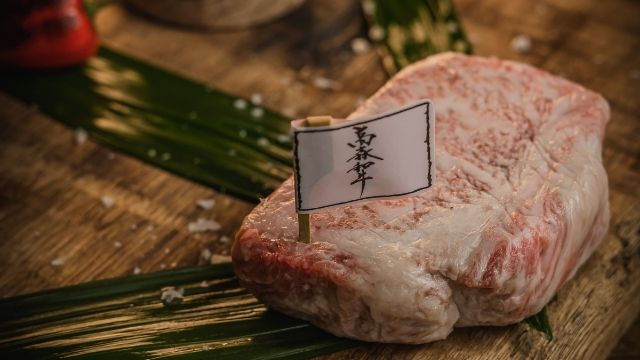
Kobe beef comes from Tajima cattle, a lineage of Japanese Black, raised and processed under rules connected to Hyogo Prefecture. The Kobe Beef Marketing & Distribution Promotion Association defines and administers its certification standards. Heavy marbling alone does not make beef Kobe.
Kobe vs Wagyu: the essential difference
Wagyu is a category covering four recognized Japanese cattle breeds. Kobe is a much narrower designation within that world. All authentic Kobe is Wagyu, but most Wagyu is not Kobe. Japan also has other regional beef names with their own standards.
What requirements must Kobe meet?
Certification considers Tajima lineage, birth and raising in Hyogo, processing through authorized facilities, and quality parameters established by the association. Identification and traceability connect the beef to an animal and a verifiable distribution chain.
Why is Kobe beef so exclusive?
Its exclusivity comes from limited, controlled supply rather than marbling alone. Only a small number of animals meet every requirement compared with global premium beef production. Breeding, grading, traceability, and authorized distribution add further limits.
Marbling, texture, and flavor
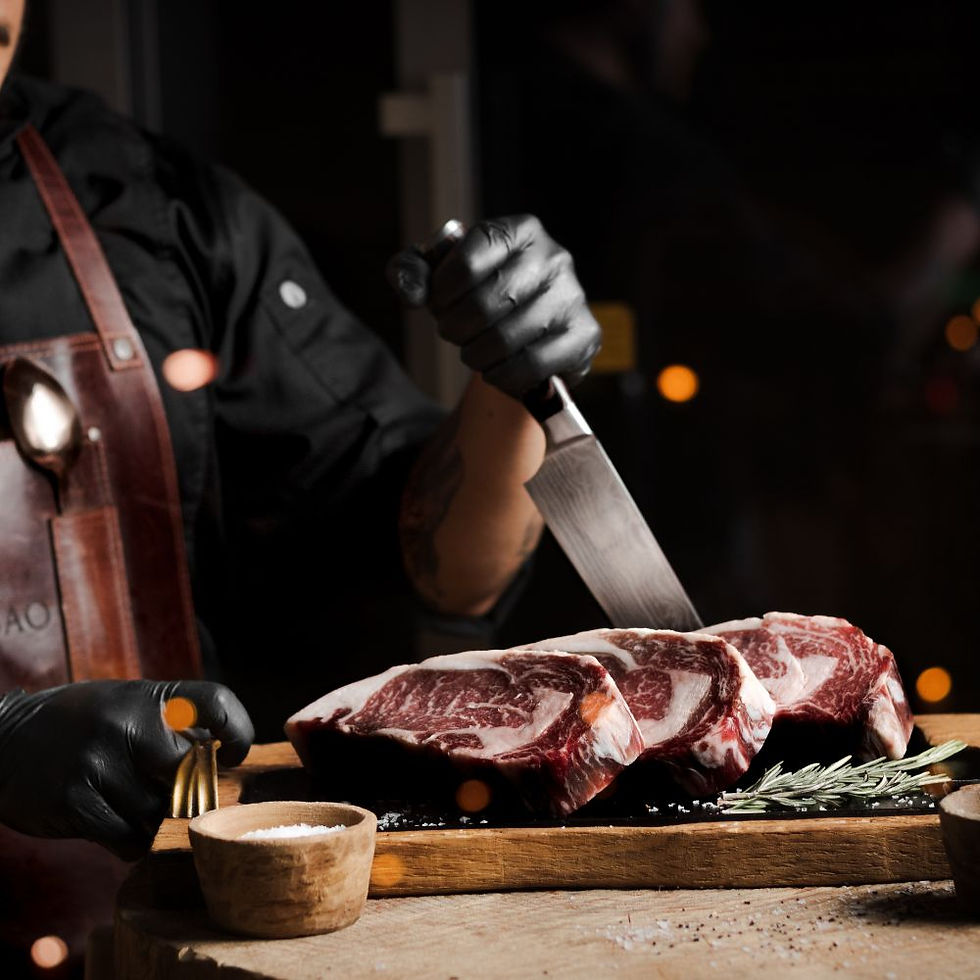
Kobe is associated with fine marbling integrated into the muscle. As the fat warms, it contributes softness and a rich mouthfeel. Moderate portions often communicate the experience best, allowing the contrast between beef, fat, browning, and aroma to remain clear.
Is all Kobe A5?
Kobe and A5 should not be treated as identical terms. A5 belongs to Japan's yield and quality grading system; Kobe adds origin and certification requirements. The designation is defined by its complete standard, not by the A5 label alone.
How to verify a Kobe claim
A credible presentation should provide origin, certification, and traceability information. The official association maintains information about authorized producers, distributors, and restaurants. Phrases such as “Kobe-style” do not equal certification.
How to enjoy highly marbled beef
Precise cooking develops an aromatic surface while limiting excessive fat loss. Smaller portions, clean slicing, and restrained accompaniments make it easier to appreciate rich beef.
Frequently asked questions
Is Kobe a breed?
No. It comes from Tajima cattle, a Japanese Black lineage, and must meet geographic and production rules.
Can Kobe beef be produced outside Japan?
Authentic Kobe is tied to Hyogo and its certification system. Wagyu can be raised elsewhere, but that does not make it Kobe.
Do Wagyu and Kobe taste the same?
Not necessarily. Wagyu includes different breeds, regions, grades, and production systems. Genetics, feeding, cut, marbling, and cooking shape the result.
Choose premium beef with better information
Instead of relying on a luxury label, compare origin, traceability, grade, and cut. Those details make premium beef easier to understand.
Read Chambao's Wagyu guide and explore the current
menu before visiting. Reserve through
Polanco, or