


Butcher's Boutique: How to Choose a Premium Steak
Updated: Jul 13
Butcher's Boutique is a way to discuss cut selection, marbling, aging, and service, not a guarantee that one particular steak is available every day. This guide explains what to ask before choosing premium beef.
Start with origin
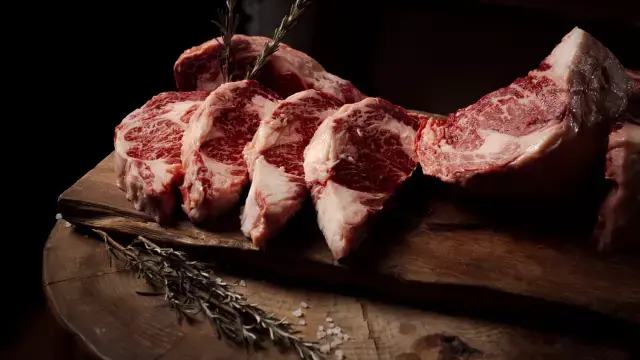
Country, producer, breed or cross, and grading system provide more information than a luxury label alone. Ask for context when beef is presented as Wagyu, Kobe, or aged.
Marbling and texture
Marbling influences juiciness and richness, while a leaner cut can offer clean flavor and a firmer bite. The best choice depends on preference, not the highest price.
Aging
Wet aging and dry aging create different profiles. Time, control, and cut matter; more days do not automatically mean a better result.
Size and service
Consider the number of guests, sides, and appetite. Large cuts may be shared, while a tasting makes it possible to compare origins or techniques.
Recommended doneness
Thickness, bone, and fat change cooking. Ask which doneness best suits the selected steak.
Real availability
Review the current menu and confirm inventory. A photograph or old article does not replace availability on the day.
Choose with better information
A strong choice combines verifiable origin, the right cut, precise cooking, and a portion that suits the table.
Useful questions to ask
Ask about origin, cut, approximate weight, marbling, aging, and recommended doneness. The answer should help you compare rather than push only the most expensive option.
Ribeye, strip, or tenderloin
Ribeye generally carries more marbling, New York strip balances flavor and structure, and tenderloin emphasizes softness. Producer, thickness, and cooking still change the result.
Cuts for sharing
Tomahawk, T-bone, and porterhouse may suit several guests, but listed weight includes bone and cooking loss. Consider the rest of the meal before ordering a large cut.
What certified beef means
Certification should identify who issued it and what it verifies. Origin, breed, process, and quality are not interchangeable; a premium word without traceability provides little information.
Comparing value
Evaluate quality, portion, preparation, service, and occasion. Value is not simply price per gram or the highest grade available.


