


How to Read a Steakhouse Menu: Cuts, Seafood and Pairing at Chambao
Updated: Jul 13
A strong steakhouse menu offers more choices than a list of cuts. Origin, marbling, aging, size, doneness and the rest of the table all shape the meal. Chambao's menu brings together premium beef, aged meats, Wagyu, Kobe, seafood, slow-cooked dishes, sides, wine and mixology. Learning how to read those sections makes it easier to order for appetite and occasion instead of defaulting to the most familiar or expensive name.
Start with appetite and table size
Before comparing cuts, decide whether the meal will be individual or shared. A large bone-in steak can work well for several guests, while a smaller cut gives one diner more control over doneness. Ask for the approximate weight and whether it includes bone. If the table plans to order starters, seafood and dessert, reduce the main-course volume so the evening keeps a comfortable rhythm.
Compare tenderness, flavor and marbling
Tenderness is only one measure of a good steak. Rib cuts usually offer generous marbling and a rich flavor. Strip loin tends to feel firmer and more direct. Tenderloin is leaner and very tender, but usually less intense. Wagyu and Kobe emphasize fine intramuscular fat, while dry-aged beef adds concentration and savory complexity. Choose according to the texture and richness you enjoy, not a universal ranking.
Understand aging and origin
A menu may describe breed, farm, country, grade or aging method. These details should help explain the experience, not serve as decoration. Ask how aging changes the specific cut and whether certification is available for protected products such as Kobe. Origin matters because feeding, genetics and handling influence marbling and flavor. When the information is clear, it becomes easier to compare two premium options with different prices and portion sizes.
Use seafood and starters to create contrast
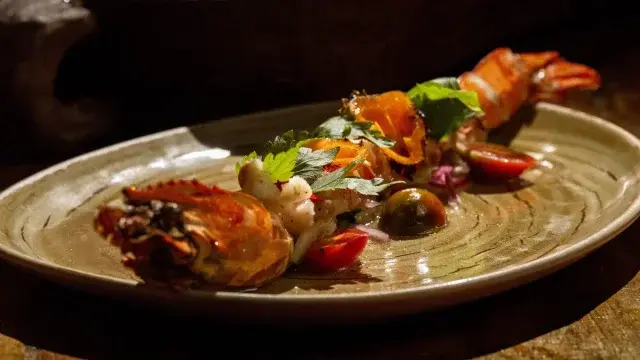
Steak and seafood can share the table without competing. Oysters or a fresh seafood starter bring salinity and brightness before a rich cut. Grilled octopus or lobster may become a main choice for guests who do not want beef. For mixed groups, combine one or two shared starters with individual mains, or build a surf-and-turf progression with portions that leave everyone comfortable.
Choose doneness for the cut
The same doneness does not behave identically across every steak. Marbling, thickness and muscle structure affect heat and texture. Ask the kitchen what point best expresses the selected cut, then describe the result you want rather than relying only on a label. If sharing, agree on doneness before ordering. Resting time after cooking is part of the process and helps distribute juices.
Sides, sauces and drinks
Use sides to add contrast: freshness against richness, crisp texture against tenderness, or restrained seasoning beside an intensely flavored steak. Taste premium beef before adding sauce. Wine should match both the cut and its cooking method; cocktails benefit from acidity and moderate sweetness. Non-alcoholic options can also reset the palate and keep a long dinner balanced.
A simple ordering sequence
For two people, consider one starter, one shared cut or two smaller mains, one side and dessert only if appetite allows. For a group, ask the server to sequence dishes and identify which cuts are best shared. Mention allergies and dietary needs at the beginning. Current menus and availability vary, so use online information as a planning tool and confirm important items directly.
Explore the current Chambao menu
Browse the official Chambao menu, compare the guide to different beef cuts and review the Wagyu guide. Then reserve at your preferred location and let the current selection guide the final order.


