


Where to Eat Kobe Beef in Mexico: Certification and Ordering Tips
Updated: Jul 13
Kobe beef is often used as a shorthand for luxury, but the name has a precise meaning. Authentic Kobe comes from Tajima-line cattle raised in Hyogo Prefecture under tightly controlled standards. That distinction matters when choosing where to eat Kobe beef in Mexico: a restaurant should be able to explain origin, traceability and certification rather than relying only on intense marbling or a premium price.
Kobe beef is Wagyu, but not every Wagyu is Kobe
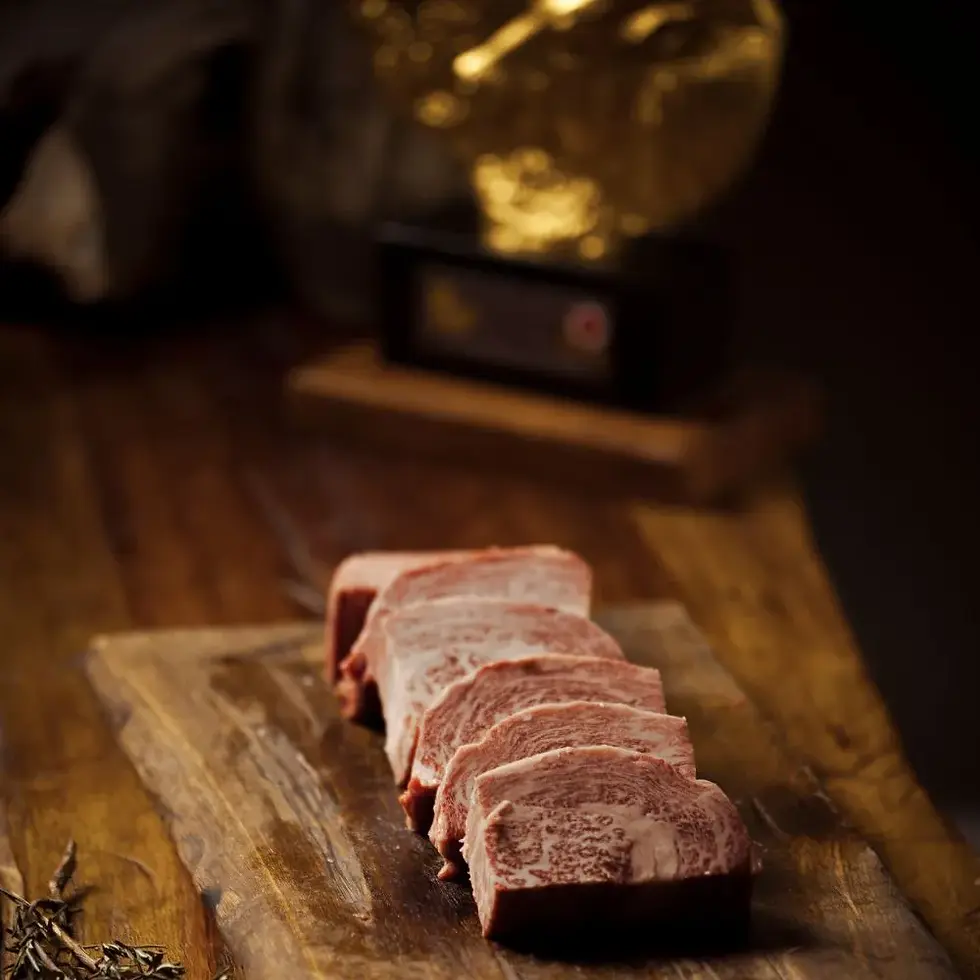
Wagyu describes Japanese cattle breeds and, in everyday restaurant language, may also refer to high-quality beef produced outside Japan from Wagyu genetics. Kobe is a protected regional designation within Japanese Wagyu. To carry the name, the beef must meet requirements involving lineage, place of birth and raising, processing location, carcass grading and the standards set by the Kobe Beef Marketing and Distribution Promotion Association. The relationship is similar to a broad category and a very specific origin within it.
What authentic certification should tell you
Certification connects the cut at the table with its origin. Ask whether the restaurant can present documentation and explain the producer or distributor. A confident answer should be specific without turning the meal into a lecture. At Chambao, the official menu describes a selection of authenticated Kobe cuts with a certificate presented at the table. Availability can vary, so confirm the current location and cut before making a trip around one particular item.
How marbling changes flavor and texture
Kobe is known for fine, abundant intramuscular fat. As it warms, that fat contributes tenderness, aroma and a rich mouthfeel. More marbling does not automatically mean that a larger portion is better. Kobe is often appreciated in a focused serving, eaten slowly, where each bite can be compared for texture and finish. Guests accustomed to a lean steak may find the experience more intense than expected.
Questions to ask before ordering Kobe beef
Start with four practical questions: Which cut is available? What is its origin and certification? How large is the portion? What cooking point does the kitchen recommend? It is also useful to ask how the meat will be presented and whether the team suggests sharing it. These details help compare value and avoid ordering Kobe as if it were interchangeable with a conventional steak.
Kobe vs Australian Wagyu or premium aged beef
The best choice depends on the experience you want. Kobe emphasizes origin, traceability and a distinctive concentration of marbling. Australian Wagyu can offer excellent marbling with a different flavor profile and often a wider range of cuts. Dry-aged beef develops nutty, savory notes through controlled maturation. None is universally superior; they answer different preferences for richness, texture, portion and intensity.
Plan the rest of the meal
Pair a rich cut with sides that bring freshness or texture, and avoid ordering too many heavy dishes before it arrives. Wine or cocktails should support rather than overwhelm the beef. If several guests are curious, sharing Kobe alongside another premium cut can turn dinner into a useful comparison of origin, marbling and aging.
Check current Kobe availability
Explore the current Chambao steakhouse menu and read the deeper guide to Kobe certification and Wagyu differences. Confirm the location, cut and certificate when booking, then choose the portion and preparation that best fit your table.


